UC Berkeley
  • Login
Bear Bones Lab
Zooarchaeology and Community - Accountable Archaeology Research Cluster at UC Berkeley
  • Home
  • The Team
  • Community-Mentored Projects
    • Visits and programming with East Bay public schools
    • Mono Lake Kootzaduka'a Petition for Federal Recognition
    • Missing American Aircrews Project
    • Indigenous Futures Society
    • Cultural Fire and Heritage Preservation
    • Clear Lake Hitch Stories
    • Berkeley-Abiquiú Collaborative Archaeology (BACA) Project
  • Events
  • Useful Links
  • Contact Us

Our latest publication in PLOS One

August 5th, 2025

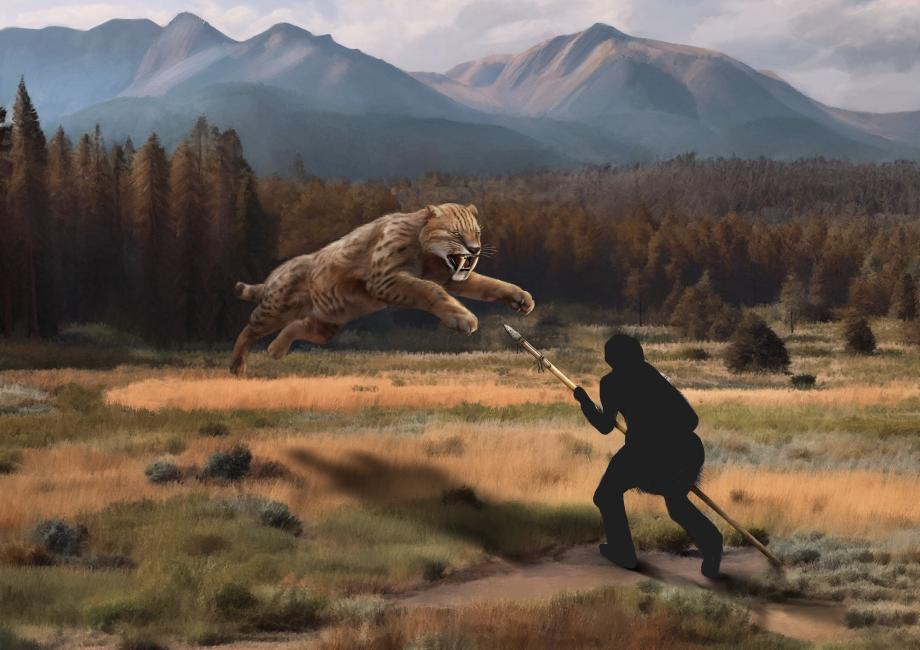
concept art

A new study of North American Clovis points dating to at least 13,000 years ago finds that this well-known Native American tradition was a remarkable innovation in longstanding hunting strategies.  Findings based on museum collections from archaeological sites offer insight into the ways people adapted to landscapes dominated by Ice Age megafauna, including mammoths, giant bison and extinct horses, during the Paleolithic.   This research began with the hypothesis that lance-shaped Clovis points were part of an engineered system positioned at the tip of long, stout spears, or pikes, used in braced position to receive a large animal’s charge.  This is the first experimental study of lithic weaponry to survey pike hunting techniques and to consider the archaeological implications of this hunting strategy.

Zooarchaeology and Community - Accountable Archaeology Research Cluster at UC Berkeley
University of California Berkeley
  • Antropology Department
  • Policies and Guidelines
Copyright © 2026 UC Regents; all rights reserved. Powered by Backdrop CMS
Back to Top Accessibility